The Right Practice Equipment for Device-Supported Physiotherapy
In order to offer device-supported physiotherapy or medical training therapy as a physiotherapist, certain equipment is required in the practice. The Medical Devices Act specifies both the number and type of devices. Additionally, these devices must meet specific quality requirements, have the CE mark and MPG certification, and the staff must be trained in using the devices.
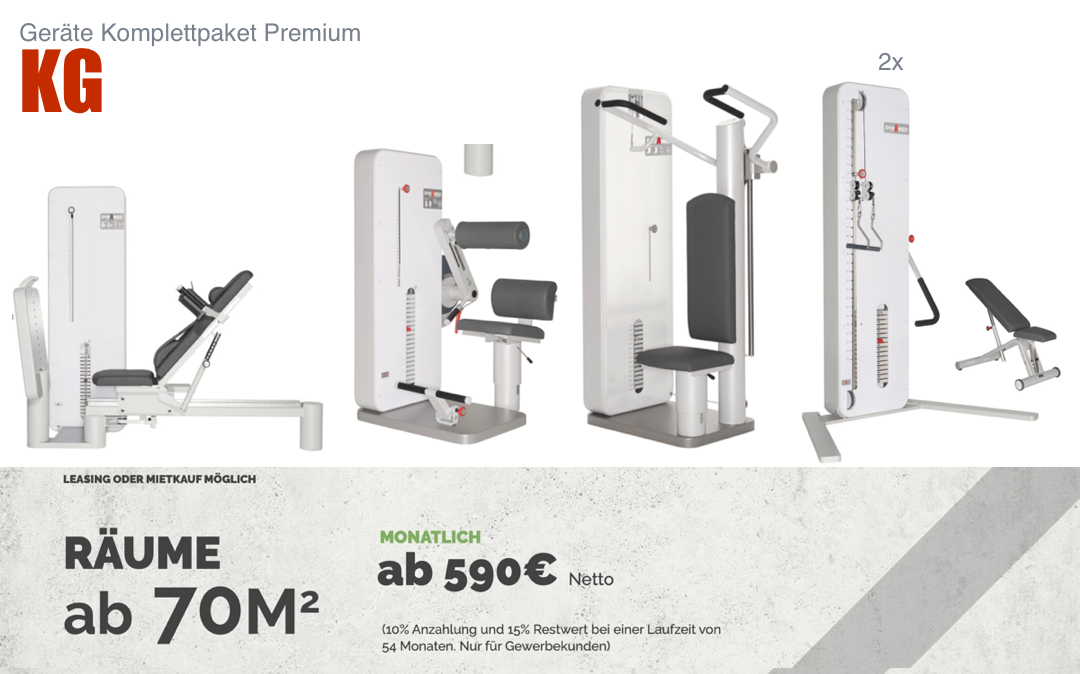
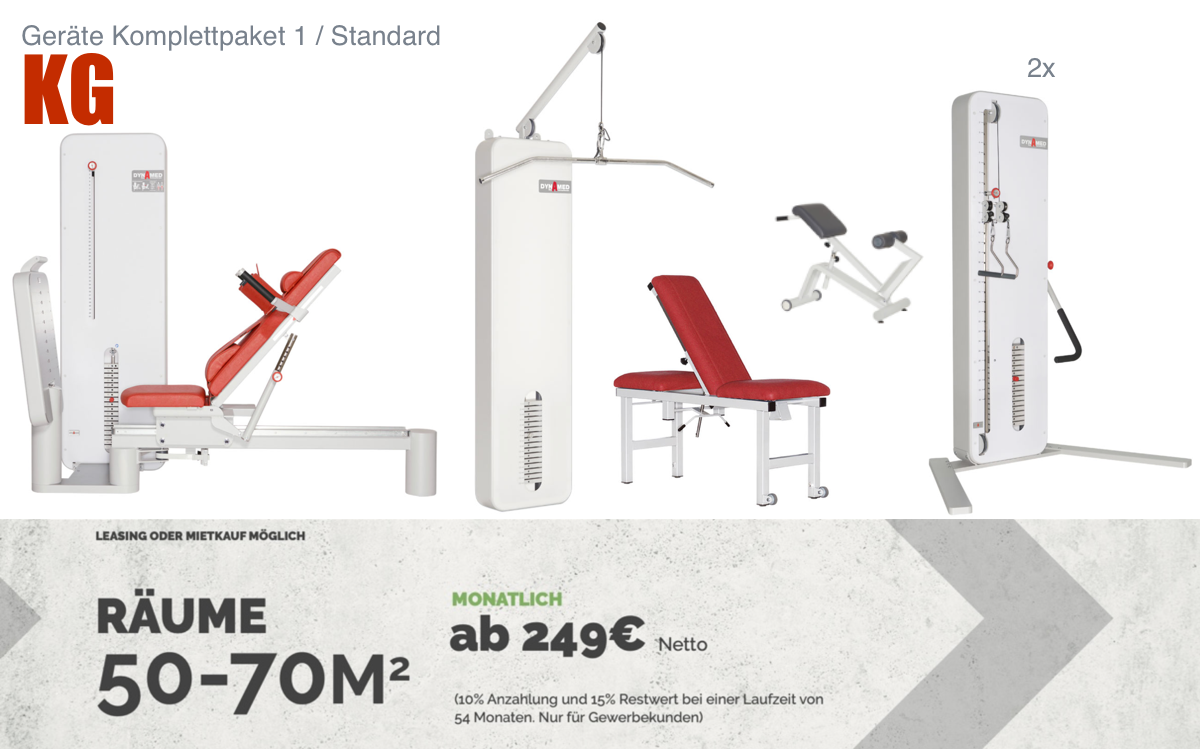
The following training devices must be available:
- A double universal pulley system with a training bench to train both body halves simultaneously
- A vertical pulley system
- A functional press
- An angle table or posterior trunk lifter
- Foot cuffs or straps and hand cuffs or straps for the pulley systems
This basic equipment can be expanded with other fitness devices depending on the therapy focus of the practice. Specifically for back pain, the number one common ailment, specialized devices are recommended. Targeted back training, back schools, and spinal gymnastics can thus be offered as equipment training.
You will receive from us:
- On-site visit with individual consultation
- Cost-effective individual equipment selection, as we offer brand-independent products
- 2D and 3D planning
- Installation, training, and maintenance
- More than 18 years of experience
- In addition to new devices, we also offer affordable leasing returns, showroom, and annual devices with full warranty
Feel free to get advice from our experts on the various leasing and hire purchase options, and look forward to an offer tailored to your needs.
E: info@fitness-leasing.com
T: +49 (0)7931 992 98 34
M: +49 (0) 160 907 633 92
These clients we have already convinced: Our References


Device-supported physiotherapy complements regular physiotherapy
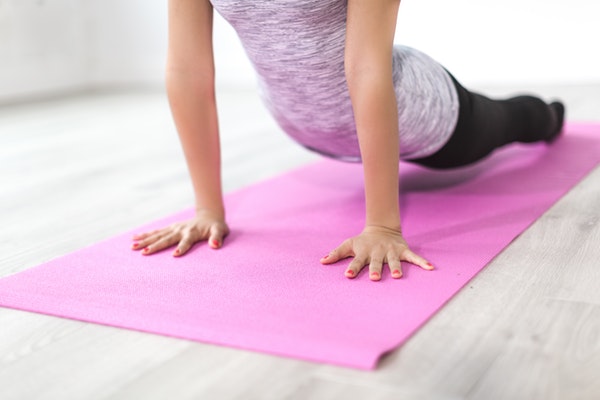 This therapy area requires the following practice equipment:
- A wall bar, complemented by gymnastic balls and bands, clubs, sticks, etc.
- Therapy mats
- At least 2 four-legged gymnastic stools
- A large correction mirror
- Equipment for traction treatments of the cervical and lumbar spine
- Technical possibilities for ice application
- Sufficient sheets, towels, positioning cushions, pads, and blankets
From the concept, the selection of training equipment to the right financing – Fitness Leasing supports you every step of the way to your new practice setup. Schedule your personal consultation now.
Request an offer now!
The customized design of medical rooms has become increasingly important in recent years. Given the growing demands on medical care and the individual needs of patients and medical staff, it is essential to develop innovative and health insurance-compliant solutions. Customized medical rooms allow for optimal use of available space and contribute to efficiency and patient satisfaction.
Health insurance-compliant solutions
To be health insurance-compliant, customized medical rooms must meet certain criteria. These include compliance with legal requirements, consideration of hygiene and safety standards, and the incorporation of environmentally friendly materials and technologies. Additionally, the design of the rooms should meet the needs of both patients and medical staff.
Accessibility and Ergonomics
Accessibility is a key feature of medical spaces that comply with health insurance standards. The design should allow easy access for people with limited mobility or disabilities. Careful planning of door widths, ramps, and elevators is essential to create an inclusive environment. Additionally, the ergonomics of the space should be optimized for medical staff to improve workflow efficiency and minimize physical strain.
Hygiene and Safety
Hygiene and safety are critical aspects when designing customized medical spaces. To meet health insurance requirements, rooms must be easy to clean and disinfect. This includes using washable, antibacterial materials for surfaces and furniture. Sufficient hand sanitizer dispensers and waste bins for safe handling of medical waste should also be provided.
Technology and Sustainability
Modern technology and environmentally friendly materials are important elements in the design of customized and insurance-compliant medical rooms. Integrating digital communication systems, such as electronic health records or telemedicine, can optimize workflows and improve communication between medical staff and patients. In addition, energy-efficient lighting, heating and ventilation systems, and the use of sustainable materials contribute to an eco-friendly practice.



 This therapy area requires the following practice equipment: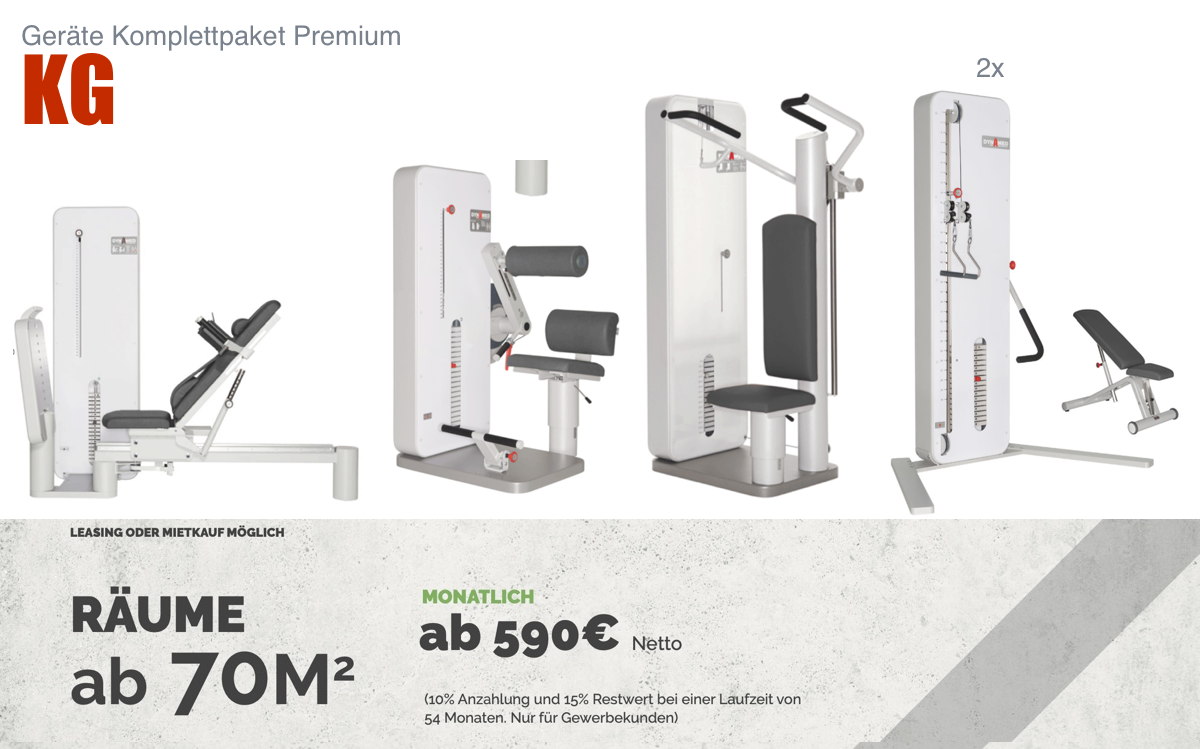
 Elliptical Fitness Crosstrainer EFX 833....
  Five Zirkel - Jahrsgeräte / wie NEU